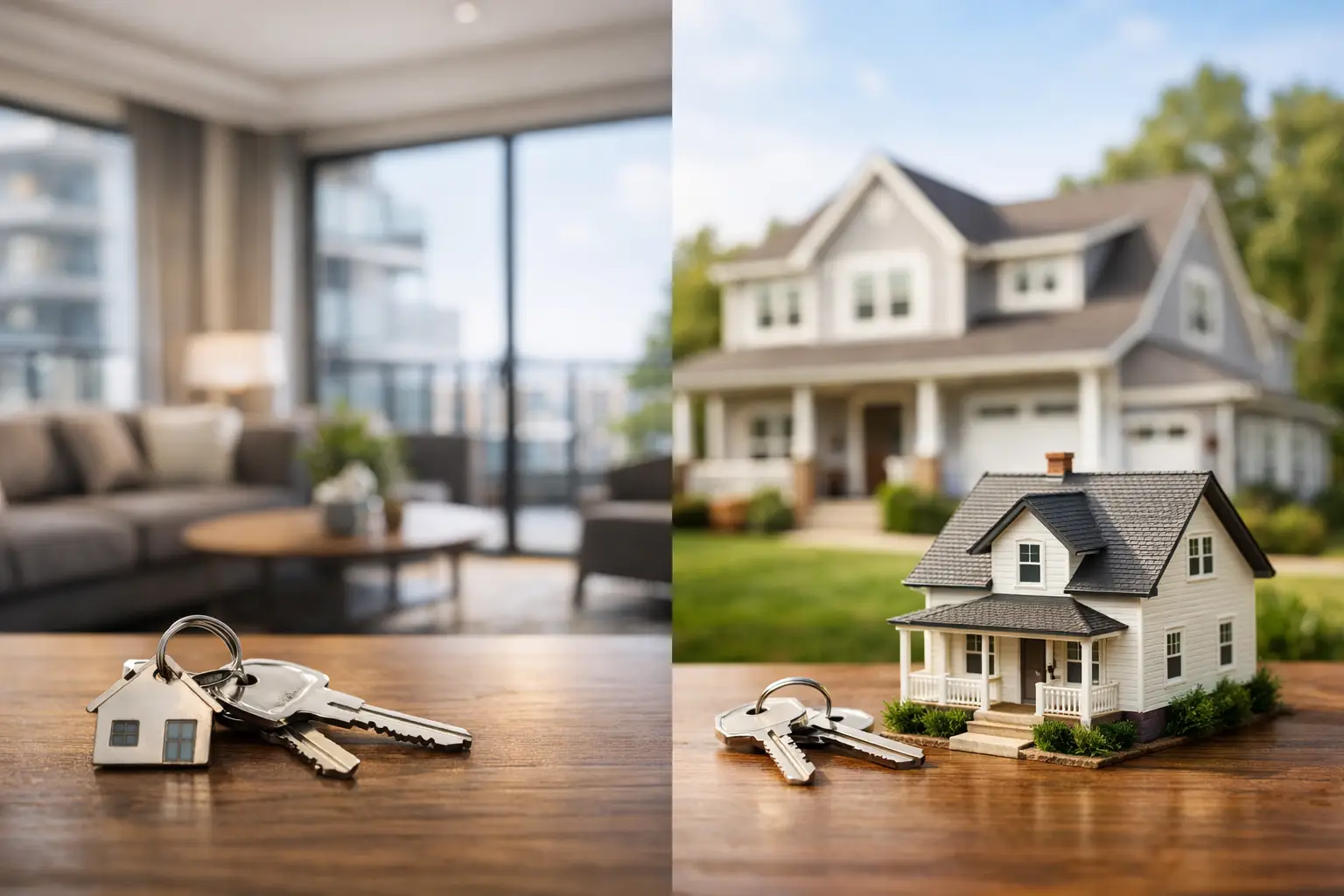
A New Jersey move can look very different on paper than it does at the kitchen table. You may have a home to sell, a lease ending soon, a new job, or a family change that makes the usual advice to “just buy” feel too simple. Renting versus buying in NJ comes down to more than a monthly payment. It is a decision about timing, cash, flexibility, and how long you expect to stay.
For homeowners who are preparing to sell, the question often has an extra layer: Should you buy your next place right away, or rent for a year while you decide what is next? There is no universal winner. The stronger choice is the one that fits your financial position and your move timeline.
Renting Versus Buying in NJ Starts With Timing
New Jersey is not one housing market. Prices, property taxes, commute options, and rental supply can change substantially from one town to the next. A buyer looking in Middlesex County may be weighing a very different set of numbers than someone moving toward the Shore, North Jersey, or a quieter suburban market farther west.
Buying tends to make more sense when you expect to remain in the home long enough to absorb the upfront costs. Closing costs, moving expenses, inspections, lender fees, and future maintenance can add up quickly. If you may relocate again in a year or two, renting can protect you from needing to sell before the market and your equity have had time to work in your favor.
That does not mean renting is always cheaper. In areas with limited rental inventory, a well-located apartment or single-family rental can carry a high monthly cost. The difference is that a renter is usually paying for flexibility, while an owner is building a longer-term position in a property.
Look Beyond the Mortgage Payment
A mortgage payment is only one part of the ownership cost. Before deciding to buy, estimate the full monthly picture: principal and interest, property taxes, homeowners insurance, association fees if applicable, utilities, routine upkeep, and a reserve for repairs.
New Jersey property taxes deserve special attention. They support local services that many residents value, including schools and municipal resources, but they also affect affordability. Two homes with similar sale prices can have very different annual tax bills. A lower purchase price does not automatically mean a lower monthly cost.
Renters have their own costs to consider. Rent may rise at renewal, and some leases add charges for parking, pets, amenities, or utilities. Renters insurance is typically affordable, but it is still part of the budget. If you are renting after selling a home, also account for storage, double moves, and the possibility that a short-term lease limits your choices.
The useful comparison is not rent versus mortgage. It is rent versus total housing cost, plus the value of flexibility or ownership.
The cash question matters
Buying requires cash before you receive the keys. A down payment is the obvious expense, but it is not the only one. Buyers should keep an emergency fund after closing rather than putting every available dollar into the purchase. A water heater, roof issue, appliance replacement, or unexpected assessment can arrive at the least convenient time.
For a seller moving from one home to another, sale proceeds may help fund the next purchase. Still, the timing has to be managed carefully. If you need the equity from your current house for the down payment, a rent-back agreement, a contingent offer, or a temporary rental may be worth considering. The right route depends on how competitive the homes you want to buy are and how quickly your current home can realistically sell.
Renting can be a sensible bridge when it prevents a rushed purchase. A rushed purchase may mean compromising on location, condition, school district, commute, or resale potential simply to avoid temporary housing.
When Buying May Be the Better Fit
Buying is often a strong option for people with stable income, a clear location preference, and a plan to stay put for several years. It can offer more control over the home, from paint colors to renovations to how the space functions for your household. It also gives you the opportunity to build equity as you pay down the loan and, potentially, as the property appreciates.
Ownership can be especially appealing if your next move is meant to be a long-term one. Perhaps you are downsizing but want to remain near family, moving closer to a train line, or choosing a neighborhood where you can picture staying through several life stages. In that case, the initial costs can be easier to justify.
Buyers should also think about future resale, even if they expect to stay for a long time. Practical features often matter more than trendy ones: location, layout, condition, parking, outdoor space, storage, and access to transportation or daily conveniences. A home does not need to be perfect, but it should make sense for both your life and a future buyer’s expectations.
When Renting Can Be the Smarter Move
Renting is not a failure to commit. It can be a deliberate decision that creates room to make a better purchase later.
A rental may be the better fit if you are changing jobs, separating households, relocating from another state, or learning a new part of New Jersey. It gives you a chance to test a commute, understand local traffic patterns, and see whether a neighborhood feels right on an ordinary Tuesday, not just during a weekend showing.
It can also help sellers avoid accepting a weak offer on their current home because they feel pressured to buy immediately. If the timing is right, selling well and renting briefly may put you in a more confident position when the right home appears. A buyer who does not need to sell first can sometimes make a cleaner offer.
The trade-off is that rental homes may not feel fully settled, particularly for households with pets, children, or a lot of furniture. Lease restrictions, limited customization, and annual rent increases are real considerations. Renting works best when the flexibility it provides has a clear purpose and an estimated end date.
A Practical Way to Decide
Start with your expected timeline. If you can reasonably see yourself moving again soon, renting deserves serious consideration. If you expect to stay for several years and can comfortably handle the full cost of ownership, buying may be the better match.
Next, compare real options in the areas you are considering. Look at actual rental listings and recently sold homes, not only broad statewide averages. Estimate your monthly ownership cost with current taxes and insurance, then compare it with rent for a property that meets the same basic needs.
Finally, ask what problem the move is meant to solve. If your current home is too large, too small, too far from work, or no longer fits your lifestyle, the next step should address that issue. Buying a home simply because renting feels temporary can create a new problem with a larger price tag.
For Sellers Planning Their Next Move
If you own a home now, your sale strategy and your next housing decision should be planned together. The ideal listing date, likely sale price, and expected time to close can affect whether buying first, selling first, or renting temporarily makes sense.
A local real estate conversation can help turn general online advice into a workable plan. Gary Rollins can help sellers evaluate market timing, likely net proceeds, and the practical choices available before the home goes on the market.
The best move is not always the fastest one. Give yourself enough room to sell thoughtfully, choose a home or rental based on real needs, and make the next address feel like progress rather than pressure.
Leave a Reply