
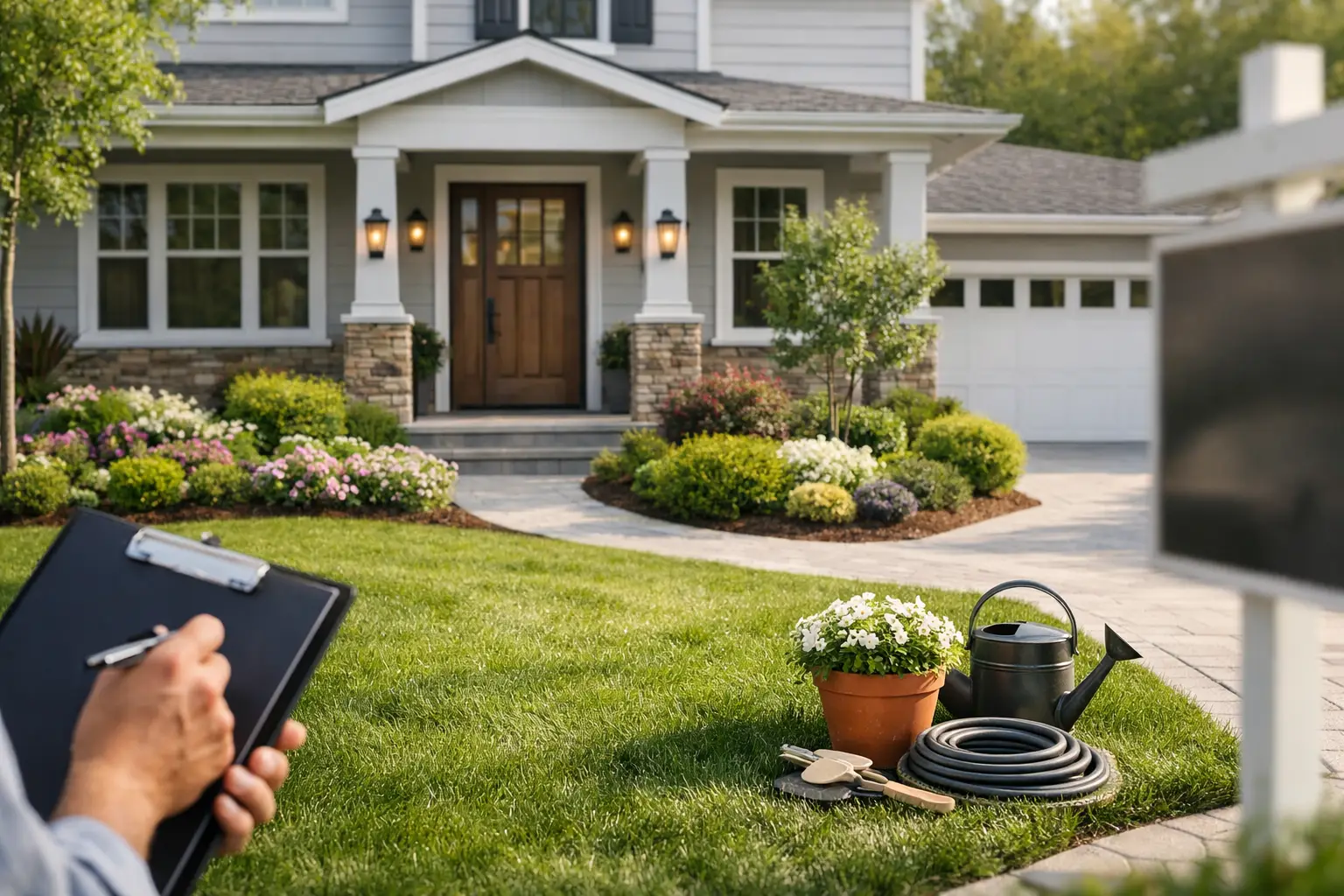
A buyer starts forming an opinion before the front door opens. They notice the driveway, the condition of the steps, the lawn, the mailbox, and whether the house looks cared for. That first view can shape how they feel about the rest of the showing. The best ways to improve curb appeal are usually not major renovations. They are focused repairs, clean surfaces, and a property that looks ready for its next owner.
For New Jersey sellers, curb appeal also needs to fit the season and the neighborhood. A perfectly maintained exterior will not compensate for an unrealistic price, but it can help a home photograph better, show better, and feel more competitive from the start.
Start With What Buyers See From the Street
Stand across the street from your home and look at it as if you were visiting for the first time. Take a photo in daylight. Photos often reveal details that are easy to overlook when you live there: uneven shrubs, peeling trim, a cluttered porch, faded house numbers, or trash bins visible from the curb.
Begin with the largest visual issues. If the siding is dirty, the roof has visible moss, shutters are crooked, or the front steps need repair, address those before buying decorative items. Buyers may not know the cost of every repair, but visible neglect can make them assume there are larger maintenance problems inside.
The goal is not to make every home look new. It is to make the exterior look maintained, orderly, and appropriate for its price range. A well-kept Cape Cod in Union County does not need the same landscaping budget as a larger custom home in Somerset County. Both need to look cared for.
Clean the Exterior Before Spending on Upgrades
Cleaning is one of the highest-value curb appeal projects because it changes the entire appearance of a property without changing its character. Wash siding where appropriate, clean the front walk, remove cobwebs around lights and railings, and clear leaves from gutters and planting beds. A clean driveway and walkway make the entrance feel more intentional.
Pressure washing can be useful, but it should be done carefully. Older brick, soft wood, loose mortar, and some siding materials can be damaged by excessive pressure. If there is uncertainty, use a professional or choose a lower-pressure cleaning method.
Windows deserve attention as well. Clean glass lets more light into the house and improves exterior photos. Replace damaged screens or remove them temporarily if they look bent, torn, or dirty. Small details create a cumulative impression.
Make the Front Door a Clear Focal Point
The front door is where buyers pause while waiting to enter. It should work smoothly and look inviting. Tighten loose hardware, repair a sticking lock, replace a worn weather strip, and make sure the doorbell functions. These are practical items, but they signal good maintenance.
If the existing door is in good condition, a fresh coat of paint can have a strong effect. Classic colors such as black, deep blue, charcoal, or a rich red can work well, depending on the home’s exterior. Choose a color that complements the siding or brick rather than one that competes with it.
Update worn house numbers, a dated mailbox, or a faded porch light if needed. These changes are relatively modest, yet they make the entrance easier to find and more polished. Keep decorative items limited. One simple doormat and a pair of healthy planters often look better than a porch crowded with seasonal signs, furniture, and ornaments.
Use Landscaping to Frame the House, Not Hide It
Landscaping should make the home look open and maintained. Trim shrubs away from windows, walkways, and the front door. Overgrown plantings can make a house feel dark or smaller than it is. Remove dead branches, weeds, broken edging, and plants that have clearly passed their season.
Fresh mulch is a reliable improvement when used in a thin, even layer. It gives beds a finished appearance and creates contrast around shrubs and flowers. Avoid piling mulch against the foundation or tree trunks. That can hold moisture where it does not belong and may raise concerns for knowledgeable buyers.
Seasonal color helps, especially near the entry. In spring and summer, choose healthy flowering plants that can tolerate local conditions. In fall, mums or ornamental grasses can add color without looking overdone. During a New Jersey winter listing, clean beds, evergreen branches, and a clear path are more useful than trying to force a summer-style garden.
Do not let landscaping block the house. Buyers should be able to see the front windows, address, roofline, and path to the door. The property should feel private without feeling hidden.
Repair the Small Items That Create Doubt
Curb appeal is often lost through a collection of minor defects. A loose handrail, cracked walkway, damaged shutter, missing light cover, or leaning fence panel may seem small on its own. Together, they make buyers wonder what else has been deferred.
Walk the property with a short repair list. Look at gates, railings, exterior faucets, trim, steps, garage doors, and visible foundation areas. Replace burnt-out bulbs and make sure exterior lighting is consistent in color and brightness. If a repair affects safety, such as broken steps or unstable railings, move it to the top of the list.
Some larger projects require judgment. Replacing an old roof, repaving a badly deteriorated driveway, or installing new siding can be worthwhile if the condition is clearly affecting value or buyer confidence. But these projects do not always return their full cost at sale. The right choice depends on the home, competing listings, budget, and expected selling timeline.
Improve the Driveway, Garage, and Side Yard
Buyers often view the driveway and garage before they see the kitchen. Keep the driveway free of vehicles, sports equipment, oil stains, and extra containers for showings. Edge the grass along the driveway and walkway so the lines look neat.
A garage door that is faded or dented can pull attention away from the rest of the home. In some cases, cleaning and repainting it is enough. If the door is noisy, test it before showings. A smooth, working garage door is a small but meaningful sign of upkeep.
Side yards should not become storage areas. Move stacked materials, unused pots, old grills, and visible maintenance supplies out of sight. Buyers will look down the side of the house, particularly when checking access, drainage, air-conditioning equipment, or fencing.
Prepare for Listing Photos and Showings
The best curb appeal work can be weakened by poor timing. Mow the lawn shortly before photos, but do not scalp it. Sweep the walk, remove hoses, bring in garbage bins, and park cars away from the front of the house when possible. Open blinds and turn on exterior lights for twilight photography if that is part of the plan.
For showings, keep the entry clear and safe. In wet or snowy weather, make sure steps and walkways are treated and accessible. In autumn, remove leaves regularly. In spring, watch for pollen and storm debris. Exterior maintenance is not a one-time task between listing day and closing.
A home does not need expensive landscaping or a complete exterior remodel to make a favorable first impression. It needs to look clean, functional, and cared for at the moment a buyer arrives. That practical attention can help buyers walk through the front door with fewer questions and more confidence.
Leave a Reply